

Crawl Space Vent Replacement in Fort Madison, IA
Crawl space vent replacement in Fort Madison, IA. Code wants 1 sq ft of vent per 150 sq ft of floor, or ten times less with a ground cover. We do the math.
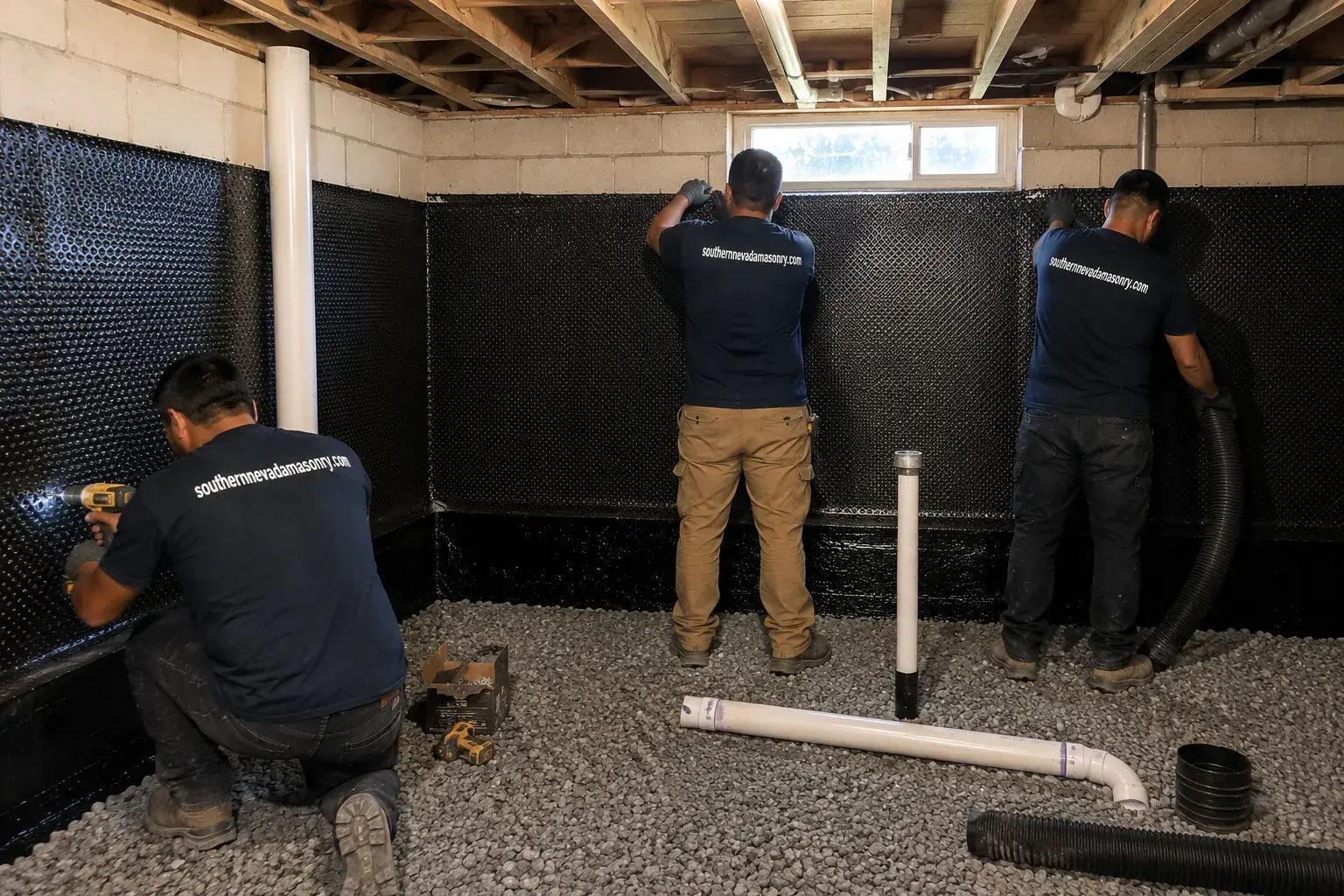

Best Crawl Space Vent Replacement in Fort Madison, IA
Do the math before you buy a single vent. The code sets one square foot of net free vent area for every 150 square feet of crawl space floor. So a 1,500 square foot crawl space needs 10 square feet of opening, which is 1,440 square inches. Most people searching crawl space vent replacement near me have no idea their house is short by half.
Here is the number that trips everybody. Net free area is not the size of the vent.
A standard 16 by 8 inch foundation vent has a gross opening of 128 square inches. After the louvers, the grille and the insect screen, the actual air passage is often only 55 to 80. Manufacturers publish that figure, and it is the only one the code counts.
Run that through the example. At 84 square inches per vent, a 1,500 square foot crawl needs about 18 vents.
Now the part that saves real money. If the ground is covered with an approved Class I vapor retarder, the required ventilation drops to one square foot per 1,500 square feet.
That is a ten times reduction. The same crawl space goes from needing roughly 18 vents to needing two or three, because the plastic on the ground stops most of the moisture that ventilation was trying to remove in the first place.
So the cheapest way to fix a ventilation shortfall in Fort Madison, IA is often a ground cover, not more holes in your foundation.
Placement is written into the code as well. One vent has to sit within three feet of each corner of the building, and openings need to be spread around the perimeter so air actually crosses the space rather than short circuiting between two vents on the same wall.
Set them six to twelve inches above the outside grade too, or rain splashing off the ground goes straight through them.
Replacement itself is straightforward when an opening already exists. The old frame comes out, the new one goes in, and it gets sealed to the block. Cutting a brand new opening through concrete or block is different work and typically runs $200 to $800 per hole once you count the core drilling and framing.
Automatic vents are worth understanding before you spend on them. They use a coil that opens the louvers above roughly 70 degrees and closes them near freezing, which protects pipes in winter without anyone remembering to go outside. They do nothing about summer humidity, which is when most crawl space damage happens, so they solve a freezing problem rather than a moisture one.
Flood zones follow a completely separate rule and this is where people get caught.
If your home sits in a mapped flood zone, the openings are there to let floodwater in and out so the pressure does not push the walls over. That standard asks for one square inch of net open area per square foot of enclosed floor, so a 1,200 square foot crawl needs 1,200 square inches, roughly 15 to 18 ordinary vents.
Engineered flood vents change that math. Certified units carry a tested equivalent rating, so two to four of them can satisfy the whole requirement, and they often reduce flood insurance premiums enough to pay for themselves. They have to sit on at least two different walls, opposite sides preferred.
Ordinary foundation vents do not count toward flood requirements unless they are certified, no matter how many you have.
One more thing to check on any vent job around Fort Madison, IA. Nothing should block the opening from either side, and that includes insulation batts pushed against them from inside and shrubs grown over them outside.
But there is a case where replacing vents is the wrong purchase entirely. If your crawl space is chronically humid in summer, more outside air makes it worse, because warm wet air entering a cool space condenses on everything. Sealing the vents and conditioning the space is the answer there, and the code allows it as an alternative that removes the ventilation requirement completely.
We measure net free area and calculate the requirement in writing before quoting vents anywhere in Fort Madison, IA. If you searched crawl space vent replacement near me and want to know whether you need more vents or fewer, call (833) 769-2615 and we will run your numbers first.